Issue 27 · Authority boundary
A Closed Claim Is Not a Closed Recovery
Claims closure often releases the operational pressure just as subrogation, salvage, contribution, or loss transfer becomes possible. The recovery system needs evidence, limitation clocks, and measurement that the indemnity workflow is designed to discard.
One system
subrogation
The other
claims handling
Subrogation and claims handling meet when indemnity payment and closure create a recovery right that depends on preserved evidence, a limitation calendar, referral, and allocation of proceeds.
Payment ends the insured's immediate problem; it may be the first day of the insurer's recovery problem.
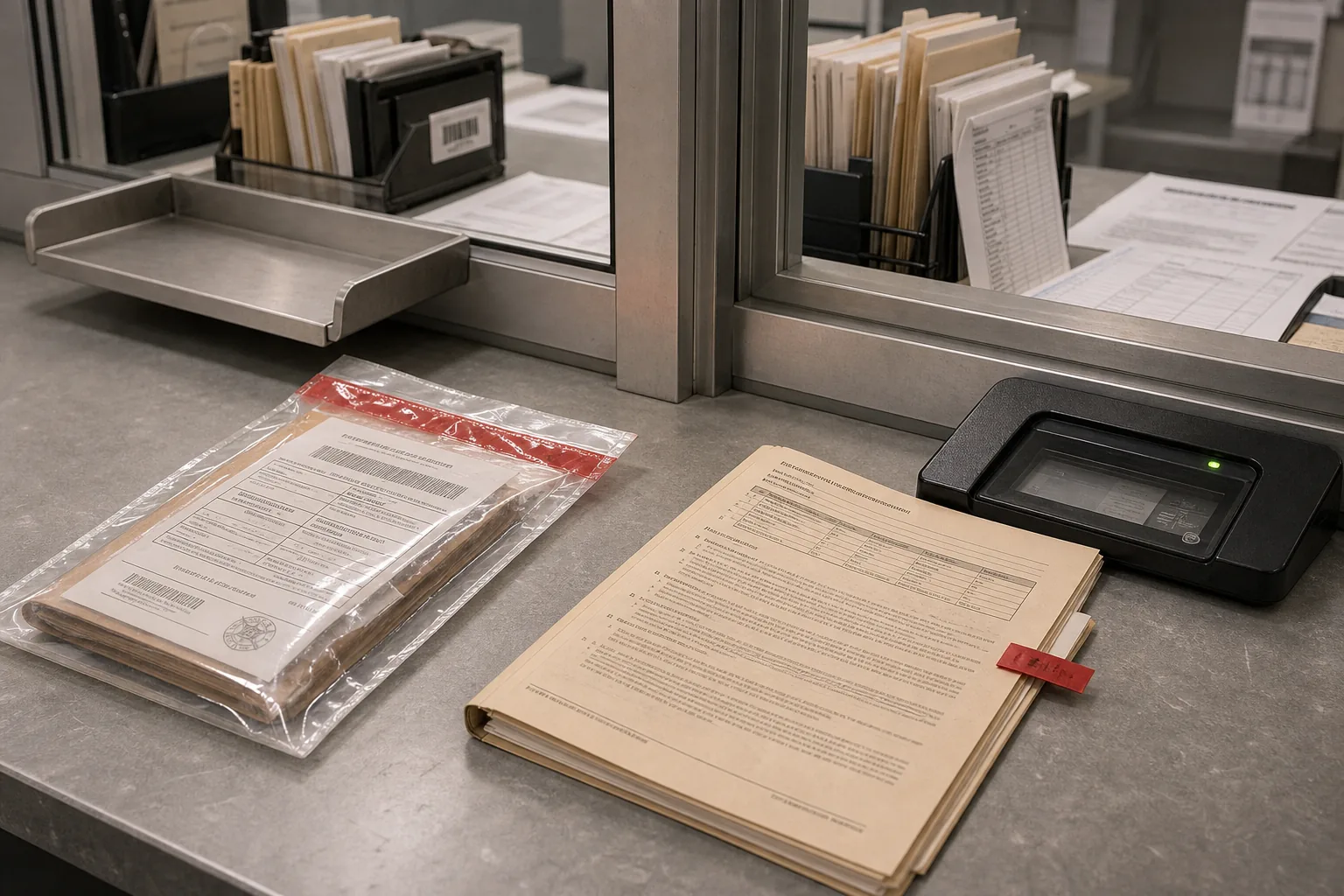
The closed file is a useful administrative fiction. It tells us the insured has been indemnified. The reserve is zeroed. The correspondence stops. The adjuster moves on. It doesn’t tell us the economic work has ended.
Payment ends the insured’s problem and may begin ours.
The payment may create a subrogation right.
It may start a salvage disposition.
It may reveal concurrent insurance.
In Ontario it may start a loss-transfer clock.
Those aren’t loose ends for a batch queue.
They are proceedings, with their own evidence and clocks.
Claims knows how to make an insured whole.
Recovery needs something else entirely.
It needs to know what the failed supply hose looked like before the restoration contractor took it out.
Which contract allocated the loss.
When the insured discovered the claim.
Whether the other party saw the evidence before it changed.
The first workflow is built to resolve pressure.
The second is built to preserve a right.
That is an authority boundary, not a handoff.
The evidence belongs to the first days
Recovery is flagged at first notice, not at payment.
The useful triggers are deliberately unromantic.
Another vehicle. A contractor on site last month. Water from the next unit. A young appliance on fire. A product that failed early. Each asks whether somebody other than the insured created a recoverable loss.
The adjuster still commands the proof.
The hose, the control board, the fitting: photographed in place, bagged, tagged, stored. It doesn’t stay with the restoration contractor because somebody correctly decided the kitchen has to go back together. For fire and large water losses, an origin-and-cause investigator retained within days works to NFPA 921.
The opposing expert will be measured against it.
Then the target and its insurer get a preservation notice. It names the artifact and offers a joint examination.
The public record is requested early.
Fire department and Fire Marshal reports. Police collision reports. In Ontario, the Electrical Safety Authority file.
Those records take weeks to arrive.
The insured gets written instructions too. Don’t sign a release. Don’t accept a direct repair. Don’t discuss fault.
None of this is an elaborate litigation ritual.
It is what lets a liability theory survive the repair. A file sent to recovery after the appliance went to the dump still holds immaculate PDFs. It has lost the thing that explains the fire.
The recovery screen is not a fraud score
Before any demand, run the cheap bars in order.
Direct compensation comes first.
In Ontario, Quebec, the Atlantic provinces, and Alberta since 2022, physical damage to an insured vehicle is paid by its own insurer, and statute removes the tort claim against the at-fault driver. A generic auto-subrogation queue is wrong in all of them.
Loss transfer does not rescue that queue.
Ontario loss transfer is statutory indemnification between insurers, on heavy vehicles and motorcycles.
It isn’t a tort claim against a driver.
Its two-year clock runs from refusal, not from the accident. Fault outcomes, and amounts ceded against received, are the measures.
The next screen pulls the underlying contract.
CCDC construction contracts require project insurance and waivers of subrogation among the parties. Commercial leases can put fire risk on the landlord’s insurance. An unnamed co-insured with an insurable interest may be immune. Ontario’s tenant trilogy treats tenants that way where the lease allocates fire risk.
Quebec bars subrogation within the insured’s household.
A release at the scene ends the right just as efficiently. So I would resist a “recovery likelihood” score as the first investment. A score ranks files after the route has closed. The screen answers the jurisdictional and contractual bars first, and asks about promise second.
The diary cannot start at payment
Common-law limitation periods run two years from discoverability.
Quebec generally provides three.
The decisive date is the insured’s discovery.
Not the date we issued the cheque.
Set the diary on payment and we keep a tidy timestamp and lose a valid claim.
The control is plain enough.
Diarise the limitation when the issue appears, then force review a couple of months early.
But the limitation date isn’t the whole calendar.
Ontario wants written notice within ten days for a highway or sidewalk in disrepair, and sixty days before proceeding against the Crown. Road carriage bills of lading generally require notice within nine months.
Carriage by sea has a one-year suit time.
A dashboard showing a green two-year date reports compliance on a file that died in week two. Claims has a diary discipline, and closure numbers hide its failures. Reopen rate is measured within three months, and closure ratio is claims closed over reported. Neither says whether the paid file carried forward the preservation action, the bar-screen result, the notice dates, and the limitation.
Closing restores our appetite for silence.
Recovery needs the file to stay articulate.
Payment transfers the work, it does not erase it
The subrogation right matures on payment.
Take a signed subrogation receipt with the settlement cheque, while the insured is still cooperative. In common-law provinces we sue in the insured’s name.
In Quebec we may sue in our own name.
Where an uninsured portion, a business-interruption tail, or a personal injury claim survives, the insured keeps that interest and the claims travel together.
The demand is documentation, not theatre.
Proof of loss. Invoices. Expert report. Photographs. A liability theory.
A one-month response window is the working convention.
The claim carries the insured’s deductible as well as indemnity and recoverable adjusting and expert costs.
It is not a courtesy.
Canadian practice makes the insured whole first, deductible and uninsured loss ahead of our outlay.
Report gross proceeds as recovery and we have double-counted the policyholder’s money.
Where both insurers are signatories and liability is the issue, Insurance Bureau of Canada agreements route the dispute to documents-only binding arbitration.
No costs. No oral evidence.
An uninsured or non-signatory target means litigation.
In Ontario, Small Claims Court handles claims up to $35,000, and larger claims go to Superior Court.
The route belongs in the recovery disposition.
Not in a generic status called “closed.”
Salvage and contribution need records of their own.
Salvage begins with the total-loss determination.
We take ownership, or we deduct the appraised value when the insured keeps the asset.
Ontario vehicle branding separates irreparable, salvage, and rebuilt, and the brand changes who can bid and what the asset is worth.
Contribution is a claim against another insurer on the same risk, prompted by an other-insurance clause.
Equal shares, independent liability, and maximum liability allocate identical facts differently.
None of it is subrogation because money came back.
The number that flatters is not the number that matters
Recovery reporting misleads as soon as it accepts one denominator.
Portfolio recovery ratio is recoveries over indemnity paid.
On a mixed Canadian book it sits in the low single digits, moving mostly with line mix.
Referral yield divides recoveries by paid indemnity on referred files, and often exceeds half of it.
One is low because it sees the whole book.
The other is high because somebody already picked those files.
I would not present either alone.
A team reporting sixty per cent referral yield and fifteen per cent missed opportunity is doing worse than one reporting forty and three.
The first has selected clean files well and failed to see too much of the population.
Missed opportunity comes from a blind closed-file audit.
Sample paid, closed, no-recovery files above materiality.
Then ask an examiner who never touched the file whether a third party was identifiable, evidence preserved, limitation diarised, waiver checked.
The audit is uncomfortable: it measures a decision nobody made.
Our system can’t report a right nobody identified.
It reports the closure, the payment, an optimistic yield.
It cannot report the plumber, the manufacturer, or the co-insurer who never entered a field.
Use accident year for the cohort, not calendar year.
Recoveries arrive years after payment.
Calendar-year receipts over calendar-year paid loss mix cohorts, and flatter a shrinking book.
For salvage, measure net proceeds against gross total-loss indemnity by disposal channel, then cut the result by provincial brand.
For Ontario loss transfer, measure ceded and received by accident year.
Different mechanisms need different measures.
What a control test would show
A recovery percentage will reach the board.
We should bring a control test instead.
What share of eligible paid files carries a preservation action, a bar-screen result, a limitation and notice calendar, a disposition, and an owner?
That question connects claims, legal, recovery, finance, and the system, without pretending they are one function.
It also separates the reserve view from the recovery view.
Under IFRS 17, expected recoveries belong to the group’s fulfilment cash flows where anticipated salvage and subrogation reduce the case reserve.
The recovery triangle tests whether that anticipation becomes cash.
A persistent shortfall is an aggressive reserve offset before it is a disappointing recovery result.
So build the design nobody asks for.
Make the recovery decision before closure relieves the pressure.
A referral and preservation decision at first notice. A bar screen before demand. A calendar that survives payment.
Recovery is not what happens after the claim.
It is what the claim preserved the right to do.
What the issue establishes
- Preserve physical evidence and issue a spoliation notice before repair or destructive testing changes the proof.
- Run a jurisdictional recovery bar screen for direct compensation, contractual waivers, insured-status immunity, and releases before sending demand.
- Diarise limitation and notice dates from the insured's discovery, then review the file before the common-law two-year deadline.
- Take a subrogation receipt when indemnity is paid and keep the insured's deductible and uninsured interest visible in the recovery file.
- Separate subrogation, salvage, contribution, direct compensation, and Ontario loss transfer because they have different counterparties and measures.
- Measure referral yield and missed-opportunity rate separately, using a blind closed-file audit to find viable recovery rights that were never referred.
The unfashionable recommendation
Do not make recovery a post-close batch job; create the referral and preservation decision while the adjuster still controls the evidence and diary.
Asked in the meeting
- What has to happen before a damaged part is repaired or discarded?
- The insurer secures the failed artifact, photographs it in place before removal, and stores it so the condition can be examined later. A braided supply hose, appliance control board, or failed fitting is evidence, not restoration debris. A preservation or spoliation notice goes to each potential target and insurer, offering a joint examination before destructive testing changes the proof.
- Why is recovery identified at first notice instead of when the claim closes?
- Recovery potential is identified at first notice because repair can destroy the evidence needed to prove responsibility. Mechanical triggers include another vehicle, a contractor at the site in the previous 30 days, a water source in a neighbouring unit, a fire involving an appliance under 10 years old, and a product failure within its expected life. Closure comes after the best preservation opportunity has often gone.
- Which auto files do not have an ordinary claim against the at-fault driver?
- Vehicle damage under direct compensation is paid by the insured's own insurer, and the ordinary tort claim against the at-fault driver is removed by statute. The scheme operates in Ontario, Quebec, New Brunswick, Nova Scotia, Prince Edward Island, Newfoundland and Labrador, and Alberta since 2022. The recovery control is therefore fault determination, not a generic subrogation referral.
- What should the recovery screen check before anyone spends money on a demand?
- The recovery screen checks direct compensation, contractual waiver, insured-status immunity, and any release or direct payment already accepted by the insured. CCDC standard-form construction contracts require project insurance with waivers of subrogation among contracting parties. A tenant can also be immune where a lease allocates fire risk to the landlord's insurance. These issues can extinguish recovery before liability is investigated.
- When does the limitation clock start on a subrogation file?
- The usual common-law limitation period runs for two years from the insured's discovery of the claim, not from the insurer's payment. Quebec generally applies a three-year prescription period. The recovery file diarises the applicable date when it opens and carries an earlier review at 22 months. Payment can create the insurer's practical recovery problem without restarting the insured's limitation clock.
- Why is a limitation date not enough to keep a recovery alive?
- Short notice requirements can expire before the ordinary limitation period. Ontario requires written notice within 10 days for damage arising from non-repair of a highway or sidewalk and 60 days' notice before a proceeding against the Crown. Road-carriage claims generally require notice within nine months, while carriage by sea carries a one-year suit time. The diary records notice and limitation dates separately.
- What changes when indemnity is paid?
- Payment matures the recovery right, so the insurer obtains a signed subrogation receipt or assignment when the settlement cheque is issued. In common-law provinces, the insurer generally conducts the action in the insured's name; Quebec permits the insurer to sue in its own name to the extent paid. The recovery demand includes indemnity, the insured's deductible, and recoverable adjusting and expert costs.
- Is salvage the same thing as subrogation?
- No. Subrogation pursues a responsible third party after indemnity payment. Salvage concerns the damaged property itself: an insurer takes ownership after a total-loss settlement, or deducts the appraised residual value when the insured retains it. Contribution is different again: it is a written claim against another insurer covering the same risk. These tracks need separate ownership, counterparties, and performance measures.
- How should a recovery team measure whether referrals are working?
- Referral yield divides recoveries by paid indemnity on files referred to the recovery unit. It must be paired with a missed-opportunity rate, which is the share of audited closed no-recovery files found on re-read to have a viable unpursued right. A high referral yield can result from referring only easy files. A blind closed-file audit measures the recovery opportunities the system never recorded.
- Why does a portfolio recovery ratio not prove that the recovery operation is improving?
- The portfolio recovery ratio divides recoveries received by total indemnity paid and, on a mixed Canadian property and casualty book, commonly falls around 1–4%. It moves with line mix as well as handling performance. Recoveries should also be reported by accident year because receipts lag payments. Calendar-year receipts against calendar-year payments mix cohorts and can flatter or understate performance.
- What should happen after a recovery demand is sent?
- A recovery demand carries proof of loss, invoices, expert reports, photographs, and a short liability theory, with a 30-day response window as the working convention. Signatory insurers can use documents-only binding arbitration under Insurance Bureau of Canada inter-company agreements when liability is the issue. An uninsured or non-signatory target follows the litigation path instead.
- What should management ask for instead of a single recovery percentage?
- Management asks what share of eligible paid files has a preservation action, a jurisdictional bar-screen result, an applicable limitation and notice date, a recovery disposition, and an accountable owner. The review separates referral yield from missed-opportunity rate and cuts recoveries by accident year. It also distinguishes salvage, contribution, direct compensation, and loss transfer so unrelated mechanisms do not create one flattering total.